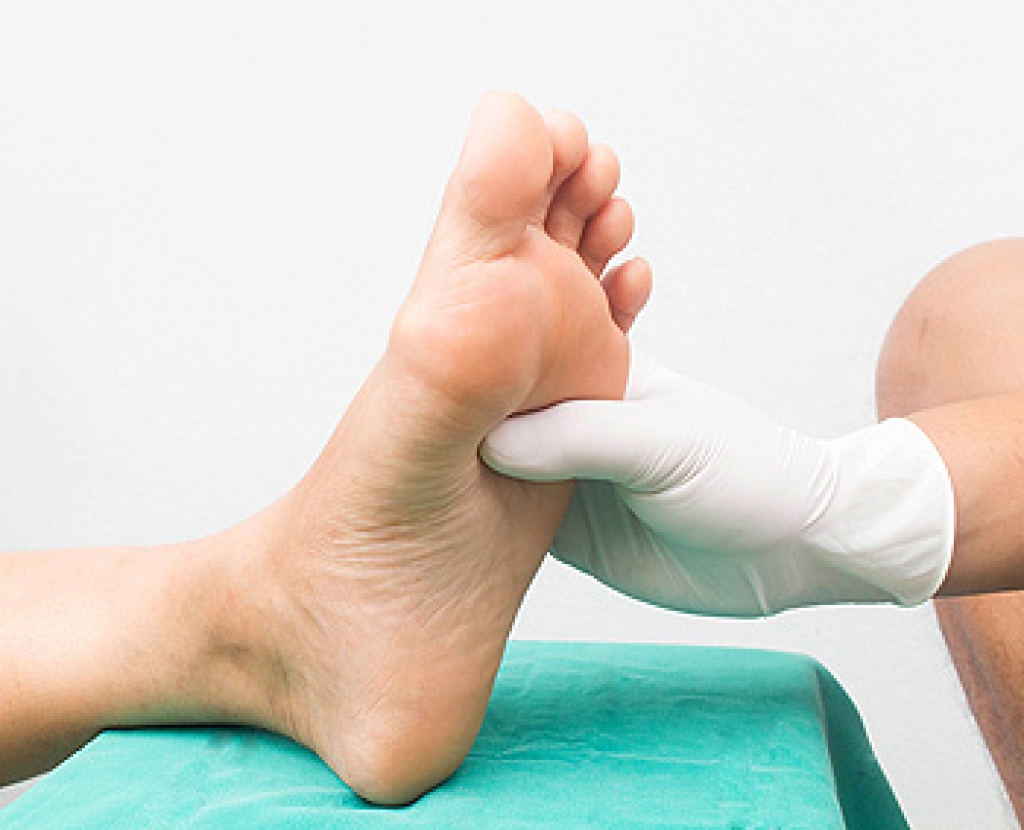
Everyday Foot Care Is Crucial for Diabetic Patients

There are many issues pertaining to the feet that diabetic patients may have to contend with. Nerve damage, circulatory issues, and diabetic foot ulcers are a few common ailments, and practicing everyday foot care is crucial to implement. Nerve damage is another name for neuropathy and it causes the inability to feel existing cuts and scrapes that develop on the bottom of the feet. A mirror is an effective tool to use to look at the soles of the feet. Also many people will ask a family member or caregiver to inspect the feet. A cut that is left untreated may become infected and this can be a result of elevated blood sugar levels in the bloodstream. When daily foot care is practiced, the risk of getting unwanted foot conditions may be reduced. Proper foot care consists of getting the toenails trimmed weekly, removing corns and calluses, and wearing shoes and socks at all times. It is strongly advised that diabetic patients are under the care of a podiatrist who can help them manage this condition and offer effective foot care practices. 

Diabetic foot care is important in preventing foot ailments such as ulcers. If you are suffering from diabetes or have any other concerns about your feet, contact one of our podiatrists from Lexington Foot and Ankle Center, PSC. Our doctors can provide the care you need to keep you pain-free and on your feet.

Diabetic Foot Care

Diabetes affects millions of people every year. The condition can damage blood vessels in many parts of the body, especially the feet. Because of this, taking care of your feet is essential if you have diabetes, and having a podiatrist help monitor your foot health is highly recommended.

The Importance of Caring for Your Feet

  • Routinely inspect your feet for bruises or sores.
  • Wear socks that fit your feet comfortably.
  • Wear comfortable shoes that provide adequate support.

Patients with diabetes should have their doctor monitor their blood levels, as blood sugar levels play such a huge role in diabetic care. Monitoring these levels on a regular basis is highly advised.

It is always best to inform your healthcare professional of any concerns you may have regarding your feet, especially for diabetic patients. Early treatment and routine foot examinations are keys to maintaining proper health, especially because severe complications can arise if proper treatment is not applied.

If you have any questions, please feel free to contact our offices located in Harrodsburg, Frankfort, Georgetown, and Lexington, KY . We offer the newest diagnostic and treatment technologies for all your foot care needs.
Read more about Diabetic Foot Care

How Feet Change With Aging

Foot care is especially important for seniors who are more apt to experience falling and mobility issues than those who are younger. Feet change as one ages. Normal changes that happen to feet with age include thick cartilage and fat pads on the soles becoming thinner, the skin and connective tissue becoming fragile and thin, toenails becoming more brittle and prone to fungal infection, and the ligaments holding bones together stretch making feet wider and flatter. Because it is hard for seniors to lean down and bend over, they often neglect foot care. Health conditions can show up aging feet, such as persistent swelling of legs and feet signifying cardiovascular, lymphatic, or kidney disease.  Other challenges are cold feet from poor circulation resulting from heart disease, high blood pressure, or nerve damage from diabetes, and foot bone pain from osteoporosis. Seniors are also at risk for bunions, blisters, ingrown toenails, and hammertoes as well. If you are a senior, it is suggested that you visit a podiatrist who can evaluate your feet and provide guidance on how to best take care of them for the highest degree of comfort.

Proper foot care is something many older adults forget to consider. If you have any concerns about your feet and ankles, contact one of our podiatrists from Lexington Foot and Ankle Center, PSC. Our doctors can provide the care you need to keep you pain-free and on your feet.

The Elderly and Their Feet

As we age we start to notice many changes in our body, but the elder population may not notice them right away. Medical conditions may prevent the elderly to take notice of their foot health right away. Poor vision is a lead contributor to not taking action for the elderly.

Common Conditions 

  • Neuropathy – can reduce feeling in the feet and can hide many life-threatening medical conditions.
  • Reduced flexibility – prevents the ability of proper toenail trimming, and foot cleaning. If left untreated, it may lead to further medical issues.
  • Foot sores – amongst the older population can be serious before they are discovered. Some of the problematic conditions they may face are:
  • Gouging toenails affecting nearby toe
  • Shoes that don’t fit properly
  • Pressure sores
  • Loss of circulation in legs & feet
  • Edema & swelling of feet and ankles

Susceptible Infections

Diabetes and poor circulation can cause general loss of sensitivity over the years, turning a simple cut into a serious issue.

If you have any questions, please feel free to contact our offices located in Harrodsburg, Frankfort, Georgetown, and Lexington, KY . We offer the newest diagnostic and treatment technologies for all your foot care needs.
Read more about Taking Care of Elderly Feet

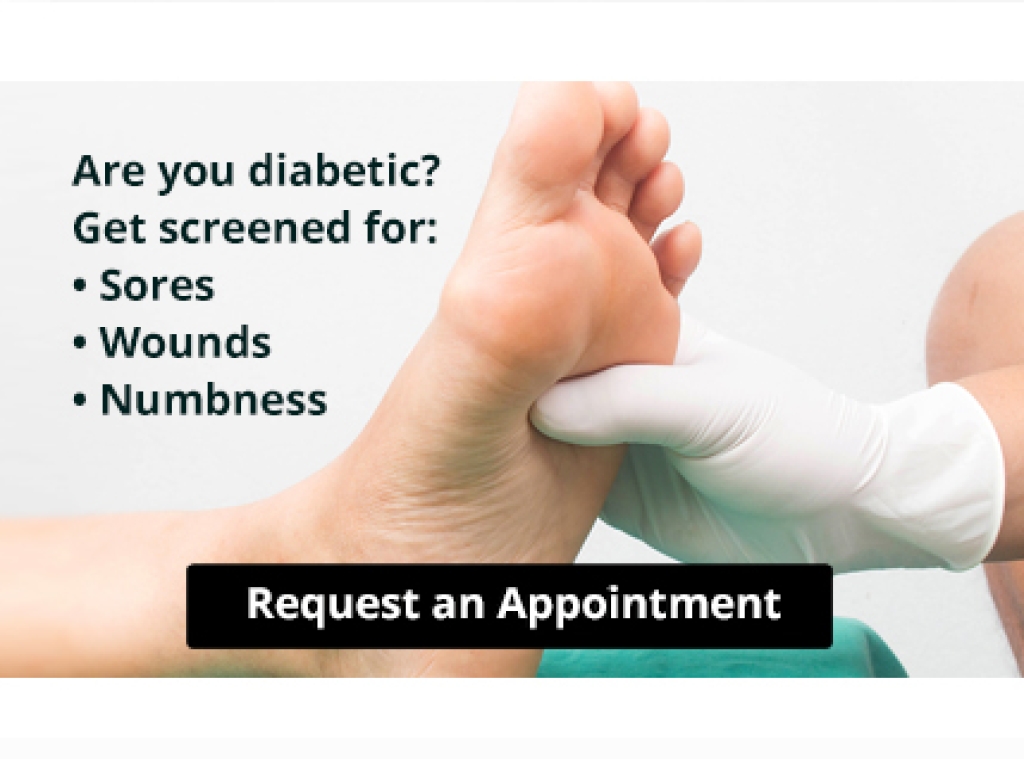
Wounds That Don't Heal Need to Be Checked

Your feet are covered most of the day. If you're diabetic, periodic screening is important for good health. Numbness is often a sign of diabetic foot and can mask a sore or wound.

How to Keep Babies Shoes on Their Feet

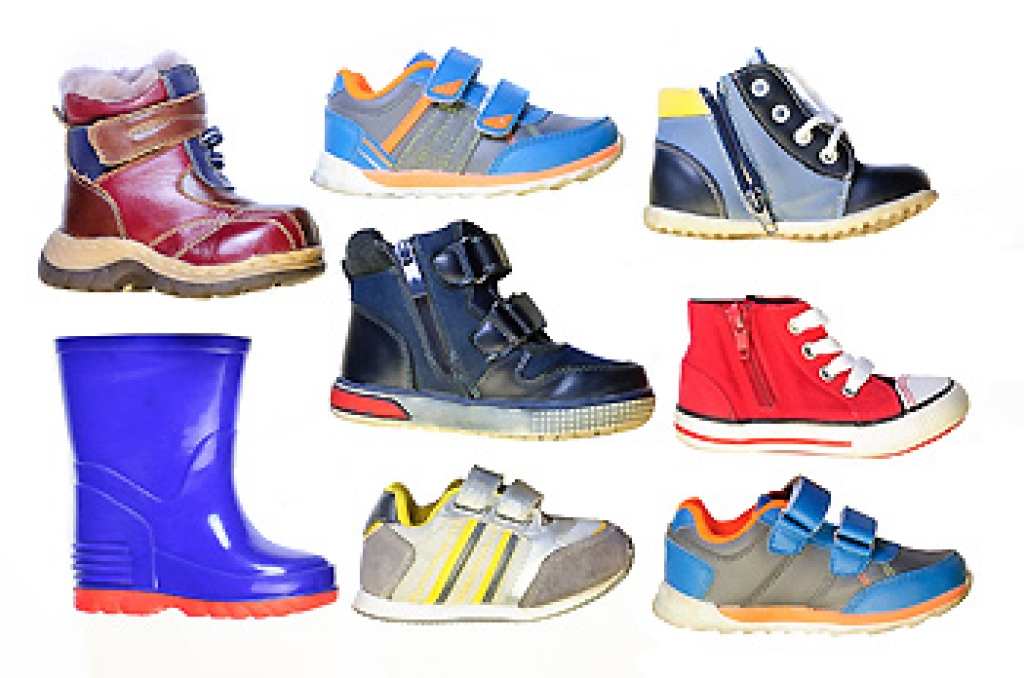
Many parents look forward to purchasing their baby's first pair of shoes. Prior to this enjoyable time, many parents have their babies crawl and walk barefoot, which is helpful in strengthening the entire foot. When it is time for your child to walk outside, they may like the sensation of feeling different surfaces on their feet, such as grass and sand. For rougher surfaces or inclement weather, shoes will need to be worn. Research has shown it is best for the first shoes to have non-slip soles and to be made with flexible materials. The fit should be perfect when the shoes are first tried on, and a break-in period is not needed. Many babies like to pull their shoes off, and there are various ways to avoid that. Firstly, it is important to make sure they fit correctly and are not too tight. Secondly, they may try to pull them off because they don’t like them, and parents need to make sure as best as they can that this is avoided. This may have to be done by testing various styles and colors before purchasing the shoes. If you have questions about what type of shoes to buy for your children, please confer with a podiatrist who can help you with any concerns you may have.

The health of a child’s feet is vital to their overall well-being. If you have any questions regarding foot health, contact one of our podiatrists of Lexington Foot and Ankle Center, PSC. Our doctors can provide the care you need to keep you pain-free and on your feet.

Tips for Keeping Children's Feet Healthy

  • Make sure their shoes fit properly
  • Look for any signs of in-toeing or out-toeing
  • Check to see if they have Clubfoot (condition that affects your child’s foot and ankle, twisting the heel and toes inward) which is one of the most common nonmajor birth defects.
  • Lightly cover your baby’s feet (Tight covers may keep your baby from moving their feet freely, and could prevent normal development)
  • Allow your toddler to go shoeless (Shoes can be restricting for a young child’s foot)
  • Cut toenails straight across to avoid ingrown toenails
  • Keep your child’s foot clean and dry
  • Cover cuts and scrapes. Wash any scratches with soap and water and cover them with a bandage until they’ve healed.

If you have any questions, please feel free to contact our offices located in Harrodsburg, Frankfort, Georgetown, and Lexington, KY . We offer the newest diagnostic and treatment technologies for all your foot care needs.
Read more about How to Care for Your Child's Feet

How to Minimize Sore Feet From High Heels

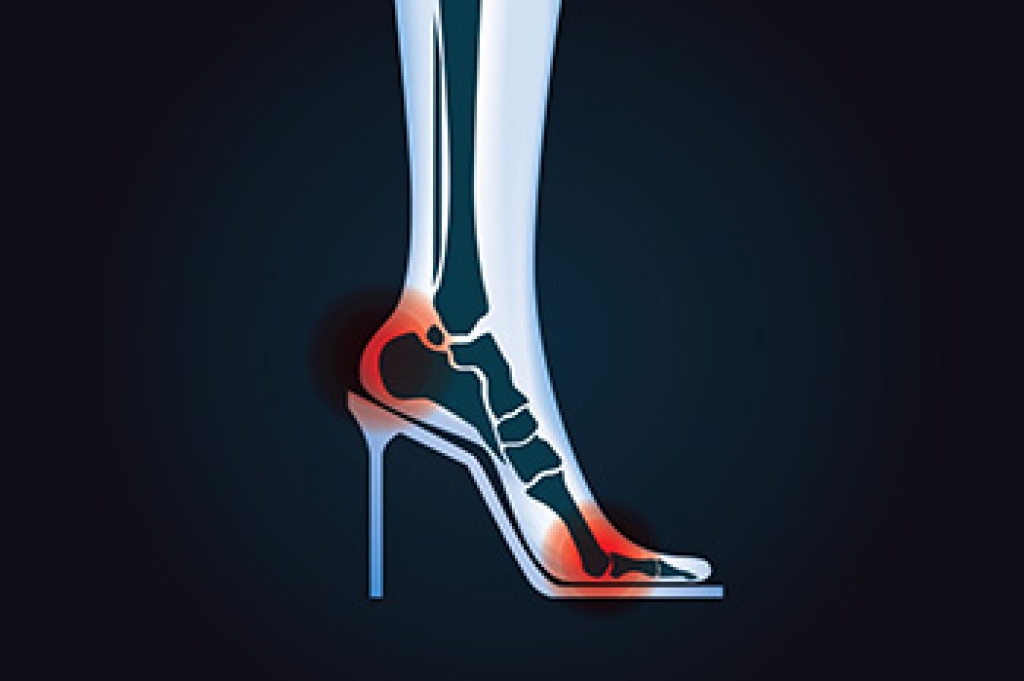
There are many people who choose to frequently wear high heels, often producing sore feet at the end of the day. It is a common side effect that may be remedied by wearing high heels that have a lower heel. Some of the conditions that may occur from wearing high heels can be quite uncomfortable, including blisters, corns, and bunions. Additionally, the heel may be affected by plantar fasciitis, which can happen from having inadequate support in the arch area. Soaking the feet in warm water may help to relieve existing swelling and aching muscles. The feet can benefit from performing specific strengthening exercises, consisting of calf and heel stretches. People who continue to enjoy wearing high heels may also benefit from choosing a shoe that is well-cushioned and has maximum support for the entire foot. If you would like more information about what kind of high heels to wear that may help to minimize foot pain, please consult with a podiatrist.

High heels have a history of causing foot and ankle problems. If you have any concerns about your feet or ankles, contact one of our podiatrists from Lexington Foot and Ankle Center, PSC. Our doctors can provide the care you need to keep you pain-free and on your feet.

Effects of High Heels on the Feet

High heels are popular shoes among women because of their many styles and societal appeal.  Despite this, high heels can still cause many health problems if worn too frequently.

Which Parts of My Body Will Be Affected by High Heels?

  • Ankle Joints
  • Achilles Tendon – May shorten and stiffen with prolonged wear
  • Balls of the Feet
  • Knees – Heels cause the knees to bend constantly, creating stress on them
  • Back – They decrease the spine’s ability to absorb shock, which may lead to back pain.  The vertebrae of the lower back may compress.

What Kinds of Foot Problems Can Develop from Wearing High Heels?

  • Corns
  • Calluses
  • Hammertoe
  • Bunions
  • Morton’s Neuroma
  • Plantar Fasciitis

How Can I Still Wear High Heels and Maintain Foot Health?

If you want to wear high heeled shoes, make sure that you are not wearing them every day, as this will help prevent long term physical problems.  Try wearing thicker heels as opposed to stilettos to distribute weight more evenly across the feet.  Always make sure you are wearing the proper shoes for the right occasion, such as sneakers for exercising.  If you walk to work, try carrying your heels with you and changing into them once you arrive at work.  Adding inserts to your heels can help cushion your feet and absorb shock. Full foot inserts or metatarsal pads are available. 

If you have any questions, please feel free to contact our offices located in Harrodsburg, Frankfort, Georgetown, and Lexington, KY . We offer the newest diagnostic and treatment technologies for all your foot care needs.

Read more about Effect of High Heels on the Feet

Connect With Us